Introduction
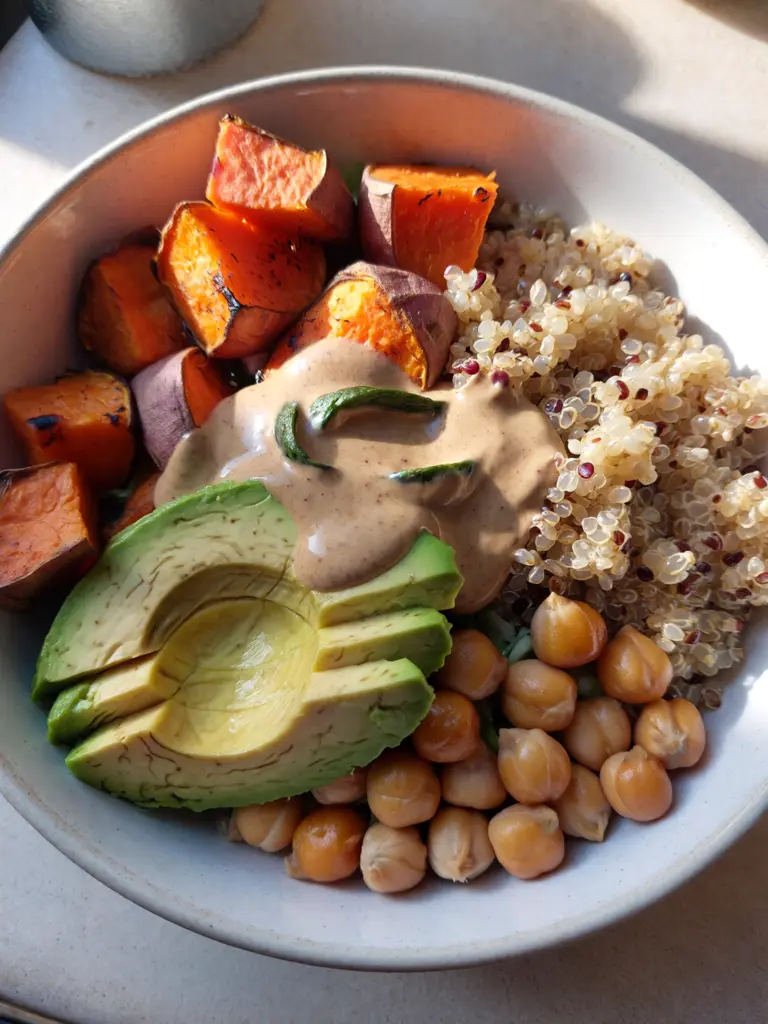
Chickpea hummus bowls have become a staple in many health-conscious households due to their rich flavor, versatility, and nutritional benefits. Packed with protein and fiber, chickpeas serve as a fantastic base for a delicious bowl, complemented by various toppings to create a satisfying meal. This recipe invites you to explore the delicious world of chickpea hummus bowls, making it an excellent choice for anyone seeking a wholesome and filling dish. Not only does it cater to various dietary preferences, but assembling this bowl is also simple and delightful. Ensure you stay until the end for additional tips and variations to make this meal your own.
Ingredients List
To create a delicious chickpea hummus bowl, gather these ingredients:
For the Hummus:
– 1 can (15 ounces) of chickpeas, drained and rinsed
– 1/4 cup of tahini
– 2 tablespoons of olive oil
– 1 garlic clove, minced
– Juice of 1 lemon (about 2 tablespoons)
– Salt and pepper to taste
– Water (as needed for consistency)
For the Bowl:
– 1 cup of cooked quinoa or brown rice
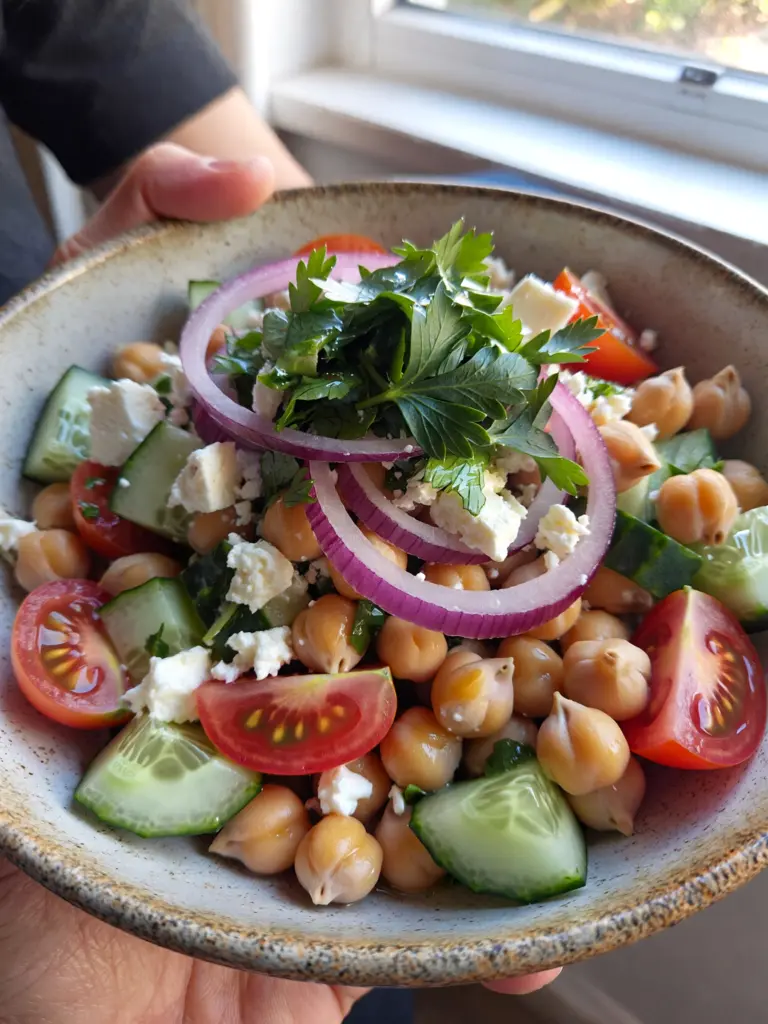
– 1 cup of diced cucumbers
– 1 cup of cherry tomatoes, halved
– 1/2 cup of shredded carrots
– 1/4 cup of feta cheese (optional)
– 1/4 cup of Kalamata olives
– Fresh parsley or cilantro for garnish
– A drizzle of olive oil and balsamic glaze for serving
Timing
Cooking is all about timing, especially in a dish like the chickpea hummus bowl, where preparation is key. Here’s a rough estimate of how long it should take to prepare:
– Preparation Time: 20 minutes
– Cooking Time (if cooking quinoa or rice): 15-20 minutes
– Total Time: 35-40 minutes
With this timing, you’ll be able to serve a delightful meal that not only tastes wonderful but also looks appealing and colorful.
Step-by-Step Instructions
Creating a perfect chickpea hummus bowl involves a seamless blend of preparation and creativity. Follow these steps to construct your bowl:
1. Make the Hummus: In a food processor, combine the chickpeas, tahini, olive oil, minced garlic, lemon juice, salt, and pepper. Blend until smooth. If the mixture is too thick, gradually add water until it reaches your desired consistency.
2. Prepare the Base: While your hummus is being blended, cook quinoa or brown rice according to package instructions. Once cooked, fluff with a fork and set aside to cool slightly.
3. Chop the Vegetables: Dice the cucumbers, halve the cherry tomatoes, and shred the carrots. Prepare any additional toppings such as olives and feta cheese.
4. Assemble the Bowl: Start with a generous scoop of quinoa or rice at the base of your bowl. Add a dollop of the chickpea hummus on one side.
5. Add Fresh Vegetables: Arrange the diced cucumbers, halved cherry tomatoes, and shredded carrots artistically around the hummus.
6. Finish with Garnishes: Sprinkle feta cheese, olives, and fresh herbs over the top. Finally, drizzle with olive oil and balsamic glaze for added flavor.
7. Serve and Enjoy: Dig in and revel in the delightful flavors and textures of your chickpea hummus bowl.
Nutritional Information
A chickpea hummus bowl is not only satisfying but also packed with various nutritional benefits. Here’s a breakdown of a single serving, based on the ingredients listed:
– Calories: 350
– Protein: 12g
– Carbohydrates: 50g
– Dietary Fiber: 12g
– Fat: 14g
– Sugars: 5g
Chickpeas contribute significantly to the protein and fiber count, making this bowl an excellent option for vegetarians and vegans looking for a nutrient-rich meal. The addition of colorful vegetables enhances the fiber content while offering an array of vitamins and minerals crucial for overall wellness.
Tips
To ensure your chickpea hummus bowl stands out, consider these essential tips:
– Experiment with Flavors: Don’t hesitate to introduce different spices or herbs into your hummus. Smoked paprika, cumin, or cilantro can add a lovely depth.
– Customize Your Bowl: Feel free to switch up the vegetables based on what’s in season or available in your fridge. Sweet bell peppers, spinach, or roasted vegetables work well too.
– Make Ahead: The hummus can be prepared in advance and stored in the fridge for up to a week. Prepare the chopped veggies a day earlier for quicker assembly.
– Add Protein: For an extra protein boost, consider adding grilled chicken, falafel, or roasted chickpeas as toppings.
Alternative Methods
If you’re looking for new takes on the classic chickpea hummus bowl, consider these alternative methods:
– Roasted Chickpeas: Instead of using canned chickpeas for the hummus, roast them in the oven with your favorite spices for an added crunch on top of the bowl.
– Swap the Base: Feel free to replace quinoa or brown rice with farro, couscous, or even a leafy green base like spinach or kale for a lighter option.
– Flavor Infusion: Try blending roasted red peppers or sun-dried tomatoes into your hummus for a unique twist that gives your bowl an exciting flavor profile.
Common Mistakes to Avoid
Even seasoned home cooks can make missteps when preparing a chickpea hummus bowl. Here are some common pitfalls to avoid:
– Using Dried Chickpeas Without Soaking: If you prefer using dried chickpeas, ensure that you soak them overnight and cook them thoroughly, as un-soaked specimens may lead to a grainy hummus texture.
– Underseasoning: Hummus can be bland without sufficient seasoning and flavor. Experiment with various seasonings to find your perfect balance.
– Overprocessing the Hummus: Over-blending can lead to a gummy consistency. Pulse in the food processor until just smooth for a better texture.
– Neglecting to Drain Properly: If using canned chickpeas, always drain and rinse them to remove excess sodium and improve the taste.
Conclusion
Creating a chickpea hummus bowl is not only a nourishing experience but also an opportunity to experiment with flavors and textures that suit your palate. By following the detailed steps, you can relish a satisfying meal that showcases the versatility of chickpeas. Effortlessly customizable, this bowl is sure to become a go-to in your recipe rotation. So why not try it today? Make your own chickpea hummus bowl, and don’t forget to return to our website for new and exciting recipes to keep your culinary journey alive.
FAQs
Q: Can I make chickpea hummus without tahini?
A: Absolutely! You can substitute tahini with olive oil or even skip it altogether for a simpler hummus.
Q: How long does homemade hummus last in the fridge?
A: Properly stored in an airtight container, homemade hummus can last up to a week in the refrigerator.
Q: Can I freeze chickpea hummus?
A: Yes, hummus can be frozen for up to three months. Just make sure it’s in an airtight container, and allow it to thaw in the fridge before serving.
Q: What can I use instead of olive oil?
A: If you’re looking for alternatives to olive oil, avocado oil or sesame oil can work well, providing delicious flavor.
Q: Is this chickpea hummus bowl gluten-free?
A: Yes, as long as you use gluten-free grains like quinoa or well-sourced rice, the dish remains gluten-free.
Embarking on the journey of crafting the perfect chickpea hummus bowl can spark creativity in the kitchen while providing a deliciously fulfilling meal. Your culinary adventure begins here!
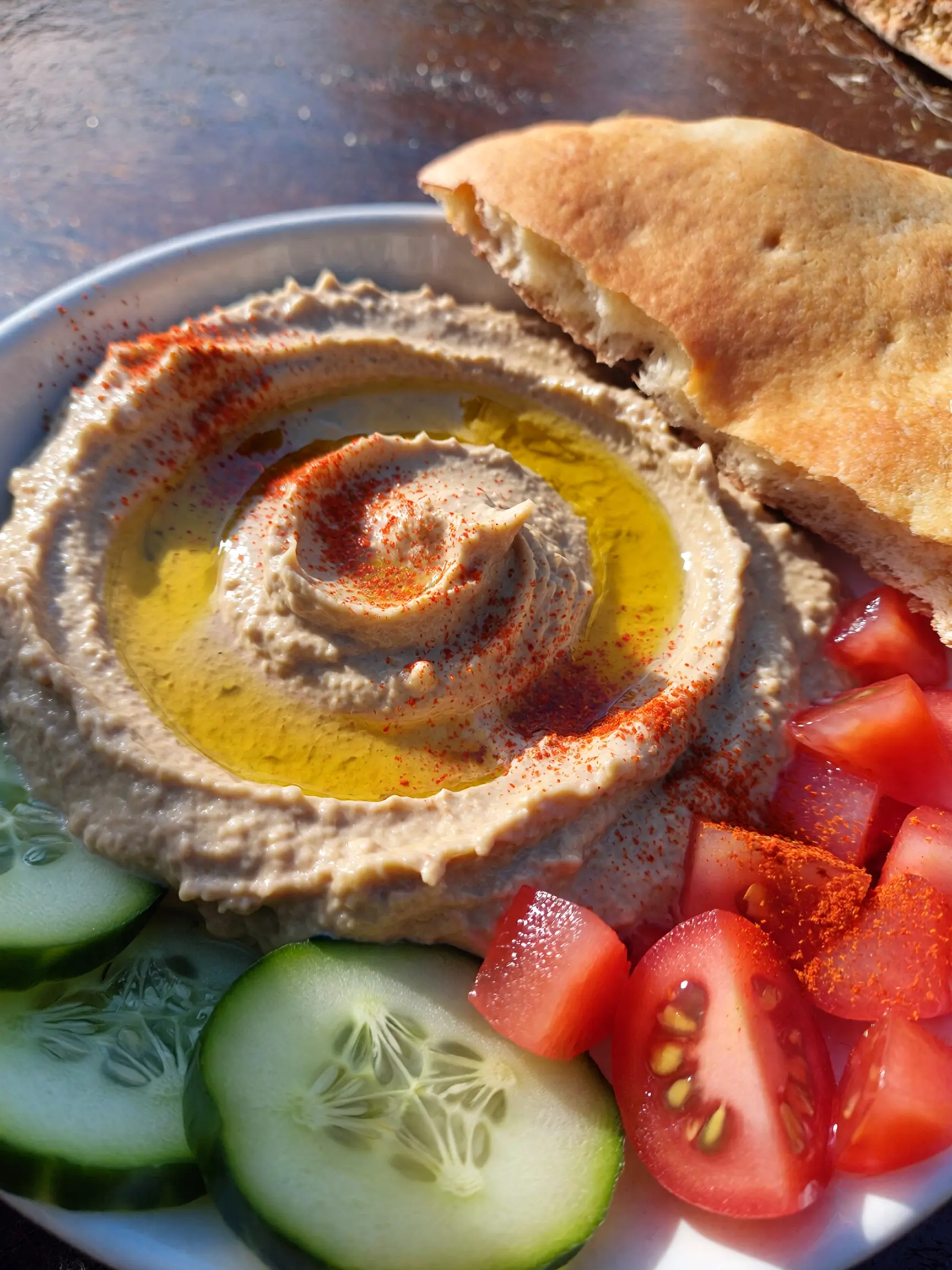
Chickpea Hummus Bowl
Ingredients
- 1 can chickpeas, drained and rinsed
- 1/4 cup tahini
- 2 tablespoons olive oil
- 2 tablespoons lemon juice
- 1 garlic clove, minced
- Salt and pepper to taste
- Fresh vegetables (cucumbers, tomatoes, bell peppers)
- Cooked quinoa or rice (optional)
Instructions
- In a food processor, combine chickpeas, tahini, olive oil, lemon juice, garlic, salt, and pepper. Blend until smooth.
- Adjust seasoning to taste and add water if needed for desired consistency.
- In a bowl, layer the hummus with fresh vegetables and grains if using.
- Drizzle with olive oil and serve immediately.
Nutrition Information
- Calories: 300 kcal
- Protein: 10g