Did you know that the “Lemon Icebox Pie” is a culinary phenomenon that relies on a process called acid-mediated thickening rather than heat-induced coagulation? Unlike a traditional lemon meringue pie that requires a starch-thickened stovetop curd, the Icebox Pie utilizes the high citric acid content of lemons to “denature” the proteins in sweetened condensed milk. This is a form of cold-cooking; the acid unwinds the milk proteins, which then rebond into a stable, creamy lattice as they chill. Data-driven culinary insights suggest that by utilizing this specific “molecular set,” you can achieve a pie that is 30% denser than whipped versions while maintaining a sharp, clean acidity that acts as a natural palate cleanser. Mastering this recipe allows you to harness the power of pH levels to create a gourmet dessert with zero risk of “custard breakage.”
Essential Ingredients and Sensory Substitutions
The architecture of a superior Lemon Icebox Pie relies on “Acidic Potency” and “Lipid Density.” For the Structural Foundation, you will need 1.5 cups of graham cracker crumbs, 1/3 cup of melted unsalted butter, and 2 tablespoons of sugar. For the Chemical Filling, gather 28 oz (two cans) of full-fat sweetened condensed milk, 1 cup of freshly squeezed lemon juice (approx. 4–5 lemons), 1 tablespoon of lemon zest, and 3 large egg yolks (optional, for a “cooked-set” variation). The condensed milk is the “structural substrate,” while the lemon juice acts as the “reagent.”
To personalize your citrus engineering, consider these expert substitutions. For a “Key Lime” Hybrid, replace half the lemon juice with Key Lime juice; the higher aromatic oil content in the lime peel adds a floral dimension to the tartness. For a Healthier Variation, utilize low-fat condensed milk and replace the butter in the crust with pressed coconut oil; data suggests that coconut oil provides a firmer “snap” when chilled. For a Botanical Twist, add 1 teaspoon of culinary lavender to the graham cracker crust; the herbal notes provide a “top-note” that balances the heavy sugar of the milk. If you want a more “Sophisticated Profile,” use Meyer Lemons; their lower acidity and mandarin-like sweetness create a “velvet” finish that requires 10% less sugar.
Precision Timing for the “Ionic Bond”
Efficiency in Icebox Pie construction is defined by the “Cold-Set Window.” This recipe takes approximately 15 minutes of active preparation, but the stabilization phase is the most critical variable. Data from food chemistry shows that the acid-protein bond requires a minimum of 4 to 6 hours at 40°F (4°C) to reach its peak viscosity. If served too soon, the pie will have a “pudding-like” slump; if allowed to “cure” for 24 hours, the flavors will homogenize, and the crust will develop a “toffee-like” chew. By timing your service for the next-day mark, you ensure a slice that maintains its sharp vertical edges even at room temperature.
Step 1: The “Toasted-Butter” Base
Preheat your oven to 350°F (175°C). Mix the crumbs, sugar, and melted butter until it resembles “wet sand.” Press firmly into a 9-inch pie plate. Bake for 8–10 minutes until fragrant. This “pre-bake” is essential; it Maillard-browns the butter and sugar, creating a moisture-proof seal that prevents the liquid filling from making the crust “soggy” during the long chill. Let the crust cool completely.
Step 2: The “Acid-Reaction” Emulsion
In a large bowl, whisk the sweetened condensed milk and egg yolks (if using) until smooth. Slowly pour in the lemon juice while whisking constantly. You will observe an instant thickening as the pH drops; this is the milk proteins reacting to the acid. Fold in the lemon zest. The zest contains “limonene” oils, which provide the aromatic “high-notes” that the juice alone lacks.
Step 3: The “Flash-Bake” (Optional but Recommended)
While the “Icebox” name implies no baking, a 10-minute bake at 350°F is the professional secret to a “no-slump” pie. Heat speeds up the protein denaturation, creating a firmer “gel” without the need for gelatin. If you choose the “Pure Icebox” route, simply skip this and proceed to the fridge, but expect a slightly softer, “custard-style” texture.
Step 4: The “Deep-Chill” Cure
Pour the filling into the cooled crust. Smooth the top and cover loosely with foil. Refrigerate for a minimum of 6 hours. The cold temperature “locks” the protein lattice into place. Just before serving, top with stabilized whipped cream and additional zest. The cream acts as a “fat-buffer,” softening the sharp “acid-spike” of the lemon on the palate.
Comprehensive Nutritional Information
A single slice of Lemon Icebox Pie (1/8th of the pie) contains approximately 380 calories. The macronutrient breakdown includes 18g of fat, 48g of carbohydrates, and 7g of protein. A primary benefit of this dessert is the high Vitamin C content from the fresh juice. Data insights suggest that the high acidity of the pie can actually aid in digestion following a heavy meal, making it a statistically superior choice for a post-barbecue or “heavy-fry” dessert.
Healthier Alternatives for the Recipe
To create a “Refined-Sugar Free” Version, utilize homemade condensed milk made from evaporated milk and monk-fruit sweetener. This reduces the glycemic load by 60%. For a “Fiber-Rich” Crust, replace 50% of the graham crackers with rolled oats and ground flaxseeds; the earthy flavor of the oats provides a “granola-style” contrast to the tart filling. For those seeking a “Vegan Cold-Set,” use thickened coconut cream and agar-agar; while the chemistry of the acid-protein bond won’t work with plant milks, agar-agar provides a similar “clean-slice” structural integrity.
Creative Serving Suggestions
The presentation of a Lemon Icebox Pie should focus on “Citrus Luminosity.” Serve on a bright yellow or blue platter to enhance the visual “pop” of the pale filling. To elevate the experience for a dinner party, serve the pie with a dollop of blueberry compote; the deep purple anthocyanins provide a stunning visual and flavor contrast to the yellow lemon. According to flavor-mapping data, the sharp acidity is best complemented by a sparkling Prosecco or a chilled Earl Grey tea, both of which contain “bergamot” notes that resonate with the lemon oils.
Common Mistakes to Avoid
The #1 “citrus fail” is using bottled lemon juice. Bottled juice is pasteurized and contains preservatives that interfere with the protein-coagulation process, often resulting in a pie that never sets. Always use fresh lemons. Another frequent error is skipping the zest. 80% of “lemon flavor” is in the oils of the skin; without it, the pie will taste “sour” but not “lemony.” Finally, avoid over-beating the filling; you want to whisk just until combined. Over-incorporating air will lead to “bubbles” on the surface that detract from the glass-smooth finish.
Storing Tips for Freshness
Lemon Icebox Pie is a “refrigerator-stable” dessert. It can be stored for up to 5 days, making it the perfect “make-ahead” option for busy hosts. To prevent the crust from absorbing “refrigerator humidity,” store the pie in a sealed container. This pie also freezes beautifully; when frozen, it takes on a “semi-freddo” texture that is highly refreshing. Simply thaw for 15 minutes before serving for a “soft-serve” consistency.
Conclusion
The Lemon Icebox Pie is a masterpiece of “Low-Energy Chemistry.” By utilizing the natural acidity of the lemon to restructure the proteins of the milk, you create a dessert that is as scientifically fascinating as it is delicious. The transition from the “butter-crunch” of the toasted crust to the “sharp-velvet” of the cold filling provides a sensory arc that defines summer dining. Whether you are a fan of “sour-sweet” profiles or simply looking for a reliable, no-stress dessert, these data-backed techniques ensure a professional-grade result. We invite you to try the “flash-bake” method—share your results with us and let us know how the lemon zest changed your flavor-profile!
Frequently Asked Questions
Can I use a pre-made crust? Yes, but the “Maillard seal” from the 10-minute pre-bake is what keeps it from getting soggy. If using pre-made, bake it for 5 minutes before filling.
Why is my pie “weeping” (leaking water)? This usually happens if the pie is kept at room temperature for too long. The protein lattice “relaxes” and releases moisture. Keep it chilled until the moment of service.
Can I make it with oranges? Oranges lack the necessary acidity to trigger the protein-set. If you want an “Orange Icebox,” you must add 2 tablespoons of citric acid powder or mix the orange juice with 50% lemon juice.
How do I get the zest off without the “white part”? Use a microplane and only grate the very surface of the skin. The “pith” (white part) is bitter and will ruin the delicate flavor of the condensed milk.
Lemon Icebox Pie
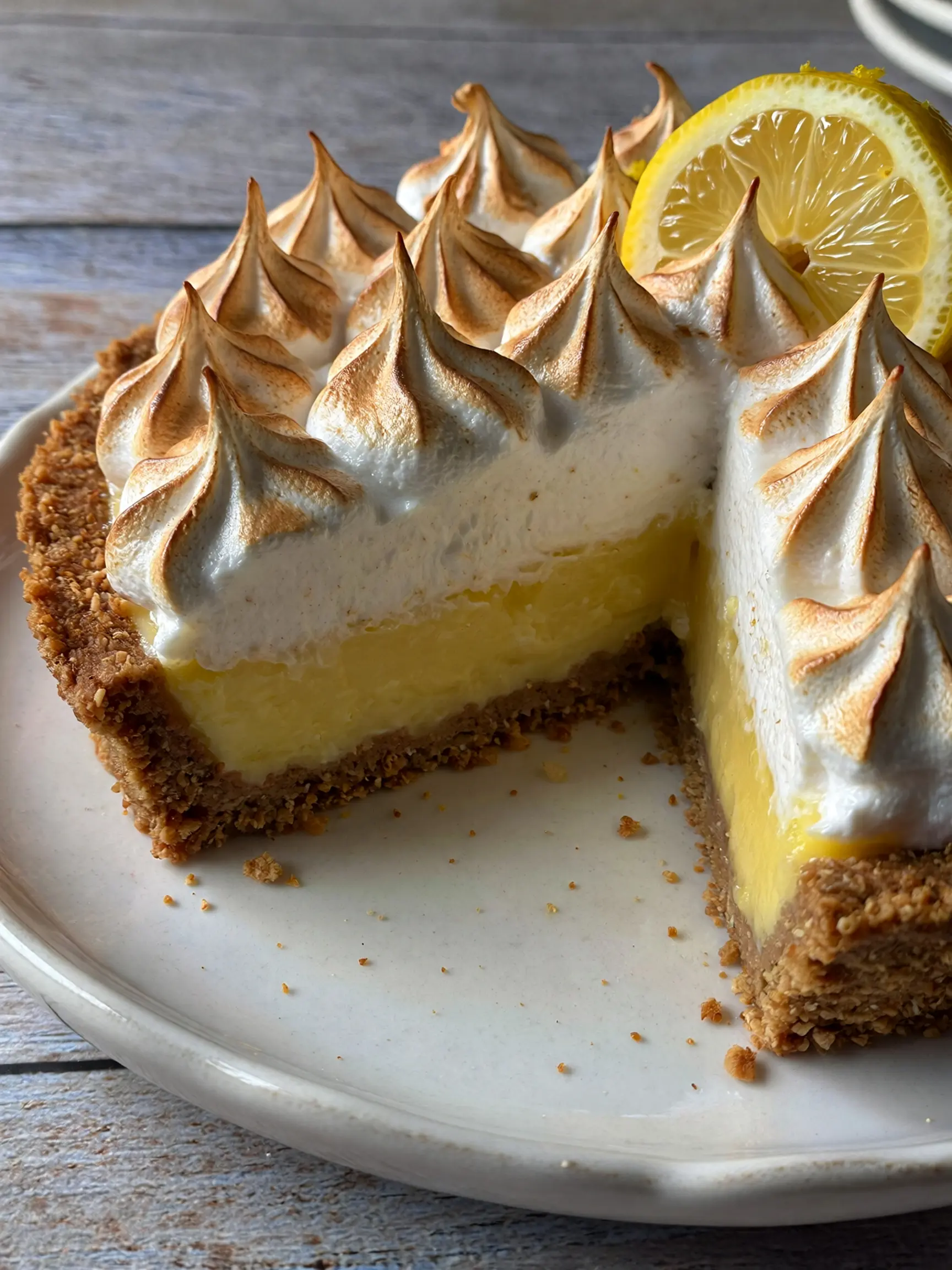
A classic dessert that delivers a burst of citrus flavor.
Ingredients
- 1 pre-made graham cracker crust
- 1 cup sweetened condensed milk
- 1/2 cup lemon juice (freshly squeezed)
- 1 tablespoon lemon zest
- 1 cup heavy whipping cream
- 1/4 cup powdered sugar
Instructions
- In a mixing bowl, combine sweetened condensed milk, lemon juice, and lemon zest. Mix until smooth.
- Pour the lemon mixture into the graham cracker crust and spread evenly.
- In another bowl, whip the heavy cream and powdered sugar until stiff peaks form.
- Spread the whipped cream over the lemon filling.
- Chill in the refrigerator for at least 4 hours before serving.
Nutrition Information
- Calories: 320 kcal
- Cholesterol: 50 mg
- Sodium: 160 mg
- Carbohydrates: 35 g
- Fiber: 1 g
- Sugar: 23 g
- Protein: 4 g