
Lasagna Soup
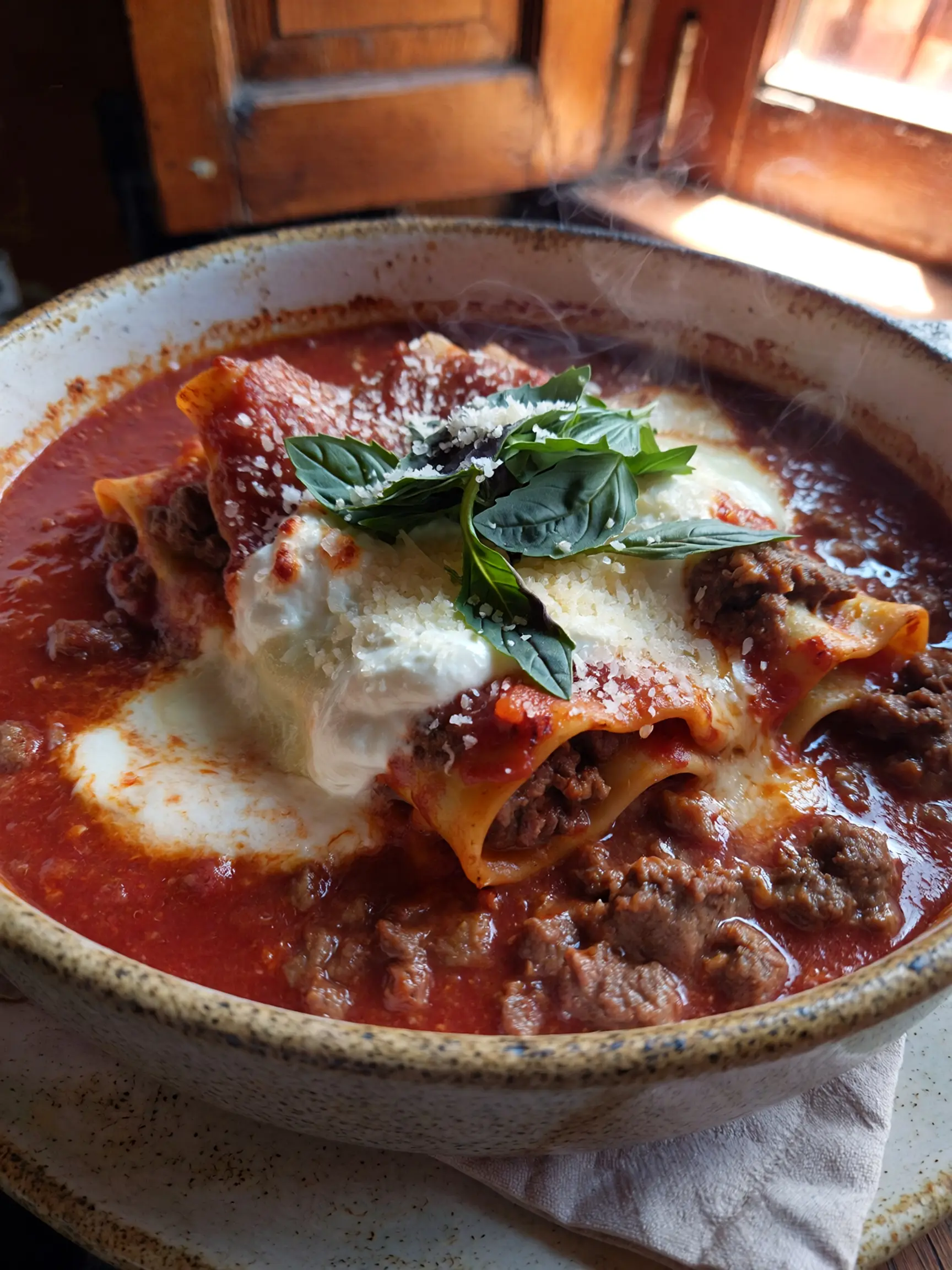
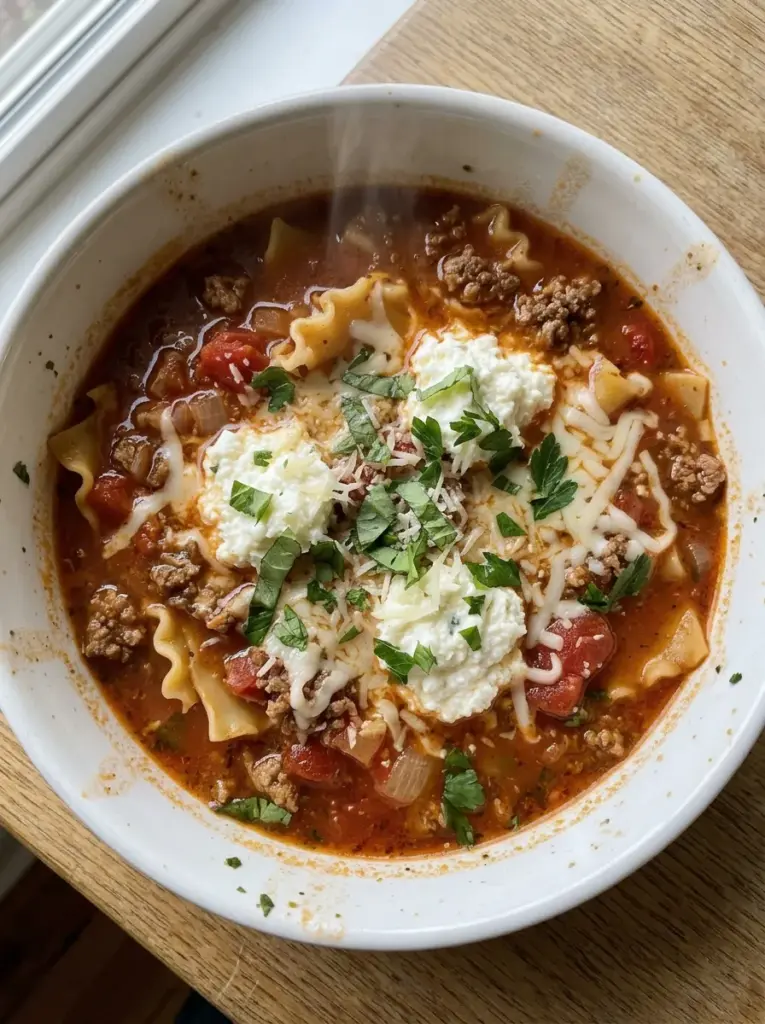
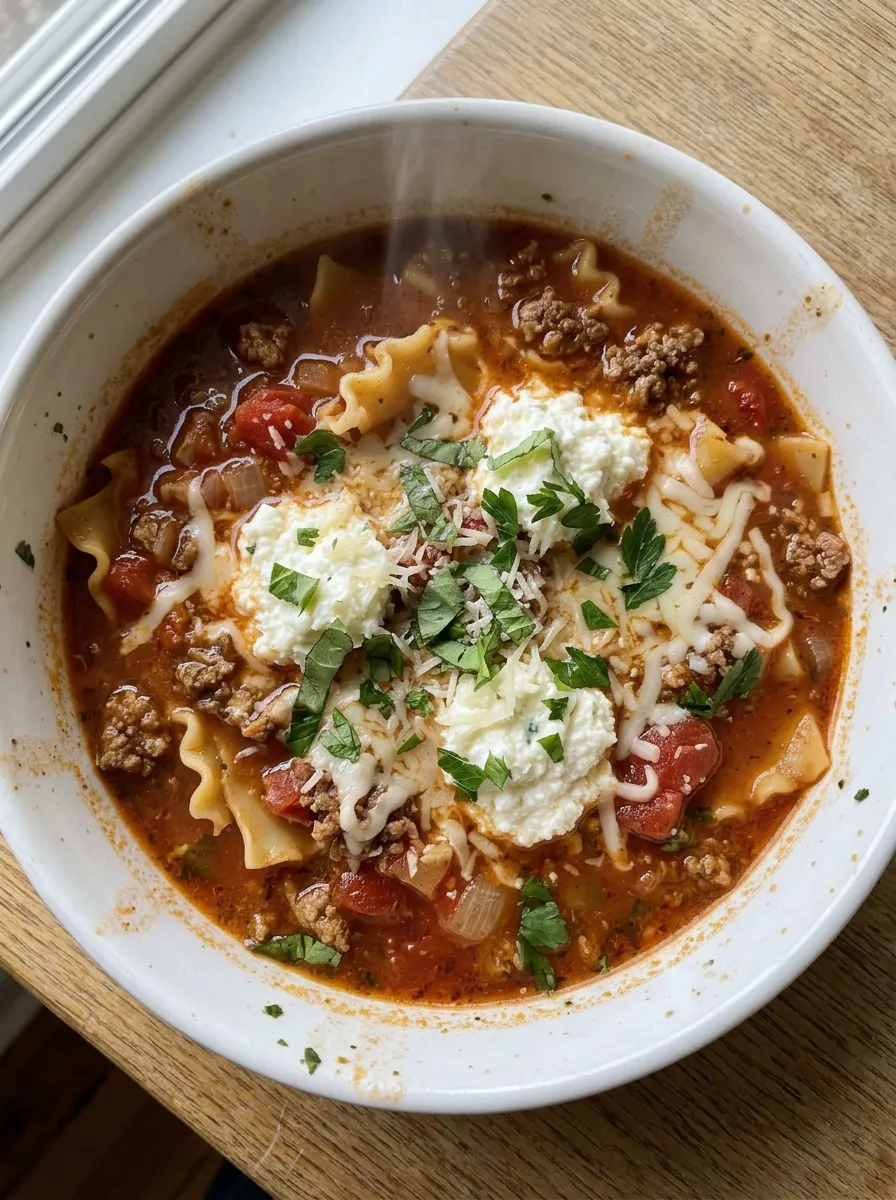
This Lasagna Soup brings all the comforting flavors of classic lasagna into one warm, hearty bowl. Tender pasta, savory ground beef, tomatoes, Italian herbs, and a rich broth come together to create a cozy meal that delivers the familiar taste of lasagna without the effort of layering and baking.
What makes Lasagna Soup so convenient is its simple one-pot preparation. Instead of assembling multiple layers, everything cooks together in the same pot, making cleanup easier while allowing the flavors to blend beautifully. Finish each bowl with creamy ricotta, melted mozzarella, and a sprinkle of Parmesan for the ultimate lasagna-inspired experience.
Whether you need an easy weeknight dinner, a comforting family meal, or a cozy recipe for a chilly evening, Lasagna Soup is a delicious choice. Serve it with warm garlic bread or a crisp green salad for a satisfying meal everyone will want seconds of.
Table of Contents
Ingredients
Every ingredient in Lasagna Soup has a purpose. The rich tomato base, savory seasoned meat, tender pasta, and creamy cheese topping work together to recreate the comforting flavor of classic lasagna in every spoonful. This combination gives Lasagna Soup its hearty texture, balanced flavor, and unmistakable lasagna-inspired character.
Protein & Pasta
- 1 lb ground beef (80/20 for best flavor) or Italian sausage
- 10 lasagna noodles, broken into rough 2-inch pieces
- 1 medium yellow onion, finely diced
- 5 garlic cloves, minced
The Broth & Tomatoes
- 1 can (28 oz) crushed tomatoes
- 1 can (15 oz) diced tomatoes
- 4 cups low-sodium beef broth
- 1 cup water
- 2 tablespoons tomato paste
- 1 tablespoon olive oil
Spices & Seasonings
- 2 teaspoons Italian seasoning
- 1 teaspoon dried oregano
- 1 teaspoon smoked paprika
- ½ teaspoon red pepper flakes, adjust to taste
- 1 teaspoon sugar (balances tomato acidity)
- Salt and freshly ground black pepper to taste
The Three-Cheese Topping — Non-Negotiable
- 1 cup whole-milk ricotta cheese
- 1½ cups shredded mozzarella cheese
- ½ cup freshly grated Parmesan cheese
- 2 tablespoons fresh basil, chiffonade or roughly torn
- Fresh parsley for garnish
Smart Substitutions: Swap ground beef for ground turkey or chicken for a leaner version. Use Italian sausage (sweet or hot) in place of beef for an extra layer of spice and depth. Replace lasagna noodles with any sturdy short pasta — rigatoni, penne, or bowties all hold up beautifully. For a vegetarian version, omit the meat and add 2 cups of chopped zucchini, mushrooms, or lentils.
Timing
Traditional lasagna can take upward of 90 minutes including assembly and baking time. This Lasagna Soup arrives at the table in just 45 minutes — roughly 50% faster — with only one pot to clean afterward.
Prep Time: 10 minutes | Cook Time: 35 minutes | Total Time: 45 minutes | Servings: 6–8
For the slow cooker, brown the meat first in a skillet, then transfer everything except the pasta and cheese topping to the slow cooker. Cook on LOW for 6–8 hours or HIGH for 3–4 hours. Add broken noodles in the final 30 minutes on HIGH, then serve with the cheese topping dolloped on each bowl.
For the Instant Pot, use Sauté mode to brown the meat and aromatics for 4 minutes. Add all remaining ingredients except pasta and cheese. Pressure cook on HIGH for 8 minutes, quick release, then switch back to Sauté mode and stir in the broken noodles. Cook uncovered for 8–10 minutes until the noodles are al dente.
Step-by-Step Instructions
Step 1 — Brown the Meat: Lay the Flavor Foundation
Heat 1 tablespoon of olive oil in a large Dutch oven or heavy-bottomed stockpot over medium-high heat. Add the ground beef and cook, breaking it apart with a wooden spoon, for 6–8 minutes until it is deeply browned — not just grey, but properly caramelized. Drain any excess fat, leaving about 1 tablespoon in the pot for flavor. Season generously with salt and black pepper.
Pro Tip: Real browning equals real flavor. Do not stir the meat constantly — let it sit undisturbed for 2–3 minutes at a time so a proper crust forms. That caramelized crust is loaded with savory depth that defines the entire broth.
Step 2 — Sauté the Aromatics
Reduce heat to medium and add the diced onion directly to the browned meat. Cook for 4–5 minutes, stirring occasionally, until the onion is soft and translucent. Add the minced garlic and cook for another 60 seconds until fragrant. Stir in the tomato paste and cook for 2 full minutes, stirring constantly — this step cooks out the raw tomato flavor and adds a deep, concentrated richness to the broth.
Pro Tip: Cooking tomato paste directly in the pot before adding liquid is one of the most impactful tricks in Italian-American cooking. Those 2 minutes transform the paste from sharp and raw to sweet and deeply savory.
Step 3 — Build the Broth
Pour in the crushed tomatoes, diced tomatoes, beef broth, and water. Add the Italian seasoning, dried oregano, smoked paprika, red pepper flakes, and sugar. Stir everything together thoroughly, scraping up any browned bits from the bottom of the pot — those bits are pure flavor. Bring the soup to a boil over medium-high heat.
Step 4 — Simmer & Develop the Flavor
Once boiling, reduce the heat to medium-low, partially cover the pot, and let the soup simmer for 15 minutes. This simmer period allows the tomatoes to break down fully, the spices to bloom, and the broth to develop the kind of complex, layered depth that makes this soup taste like it has been cooking all day. Taste the broth and adjust seasoning — more salt, red pepper flakes, or a pinch of sugar if the tomatoes are particularly acidic.
Pro Tip: The partial cover is intentional. A fully covered pot traps steam and dilutes the broth. A fully uncovered pot reduces too aggressively. Partially covered gives you the perfect simmer with gentle, controlled evaporation.
Step 5 — Cook the Noodles Directly in the Soup
Increase heat to medium and add the broken lasagna noodles directly into the simmering broth. Stir immediately to prevent sticking, then cook uncovered for 10–12 minutes, stirring every 2–3 minutes, until the noodles are al dente — tender but with a slight bite. The noodles will release starch as they cook, naturally thickening the broth into something gloriously rich and silky.
Pro Tip: Cook the noodles to al dente, not fully soft. They continue cooking in the hot broth even after you remove the pot from heat, and softer-than-al-dente noodles become mushy and unpleasant within minutes of sitting in the soup.
Step 6 — Make the Ricotta Cheese Topping
While the noodles cook, combine the ricotta, half the shredded mozzarella, half the Parmesan, a pinch of salt, and a crack of black pepper in a small bowl. Stir until smooth and creamy. This is your lasagna’s signature cheese layer — the element that takes this from a good tomato soup with noodles to an unmistakably authentic Lasagna Soup experience.
Step 7 — Serve and Build Each Bowl
Ladle the hot soup into wide, deep bowls. Drop a generous dollop — at least 2 heaping tablespoons — of the ricotta mixture directly into the center of each bowl. Sprinkle the remaining shredded mozzarella and Parmesan over the top. Finish with fresh basil and parsley. The cheese will begin to melt into the broth as you eat, creating those irresistible cheesy ribbons that make every spoonful different from the last.
Nutritional Information
Here is a comprehensive nutritional breakdown per serving (approximately 1.5 cups of soup plus the cheese topping), based on the full recipe divided into 6 servings.
- Calories: 487 kcal (24% DV)
- Protein: 34 g (68% DV)
- Total Carbohydrates: 42 g (15% DV)
- Dietary Fiber: 5 g (18% DV)
- Total Fat: 19 g (24% DV)
- Saturated Fat: 9 g (45% DV)
- Sodium: 740 mg (32% DV)
- Potassium: 820 mg (17% DV)
- Calcium: 380 mg (29% DV)
- Iron: 4.2 mg (23% DV)
Percent Daily Values are based on a 2,000-calorie diet. Values are estimates and will vary based on specific brands and ingredients used.
With 34 grams of protein and meaningful calcium from the three-cheese topping, this soup is a nutritionally substantive meal. The tomato-rich broth provides lycopene — a powerful antioxidant that research in the American Journal of Clinical Nutrition links to reduced cardiovascular disease risk. Comfort food and functional nutrition in the same bowl is a rare and wonderful thing.
Healthier Alternatives for the Recipe
Lasagna Soup is hearty and satisfying as written, but these simple swaps can help you adjust the recipe to your nutritional preferences without losing its comforting flavor.
- Replace 80/20 ground beef with 93% lean ground turkey or chicken for a leaner option while keeping plenty of protein.
- Use part-skim ricotta and part-skim mozzarella to reduce saturated fat while maintaining a creamy, melty topping.
- Substitute traditional lasagna noodles with whole-wheat lasagna noodles or chickpea-based pasta for additional fiber.
- Stir 2 cups of finely chopped spinach or baby kale into the Lasagna Soup during the final few minutes of cooking. The greens wilt quickly and add color, texture, and nutrients.
- For a lower-sodium Lasagna Soup, choose no-salt-added crushed tomatoes and low-sodium broth, then adjust the seasoning to taste.
- For a dairy-free version, omit the cheese topping and finish the soup with fresh basil oil or a smooth white bean puree for additional creaminess.
Serving Suggestions
Lasagna Soup is a complete meal on its own, but pairing and presentation can elevate it from a casual weeknight dinner to something that genuinely feels special.
- With Garlic Bread or Focaccia: The classic pairing. A thick slice of crusty garlic bread for soaking up every last drop of that rich tomato broth is not optional — it is mandatory.
- Simple Caesar Salad Alongside: The cool, crisp, tangy Caesar cuts through the richness of the soup perfectly and brings a lightness that balances the heaviness of the cheese topping.
- In a Bread Bowl: Hollow out a round sourdough loaf and ladle the soup directly inside. The bread soaks up the broth as you eat, transforming into something extraordinary by the last bite.
- Extra Cheese Bar: Set out small bowls of additional mozzarella, Parmesan, and fresh basil so guests can add more to their preference. Cheese lovers will be eternally grateful.
- Topped With a Basil Oil Drizzle: Blend a handful of fresh basil with good olive oil and a pinch of salt, then drizzle over each finished bowl. It adds a restaurant-level freshness and visual beauty that takes thirty seconds to make.
- For Kids: Serve with smaller, fully softened noodle pieces and a lighter hand on the red pepper flakes. A little extra mozzarella on top makes it immediately irresistible to younger eaters.
Common Mistakes to Avoid
A few small missteps can stand between you and the perfect bowl. Here is what to watch for and how to avoid every pitfall.
- Not browning the meat properly: Grey, steamed ground beef adds very little flavor to the broth. Take the time to get a real, caramelized brown on the meat — this is the single most impactful step in the entire recipe.
- Skipping the tomato paste cook-off: Adding tomato paste directly into liquid without first cooking it in the pot leaves a raw, sharp edge in the broth. Cook it in the pot for a full 2 minutes before adding any liquid.
- Overcooking the noodles: Lasagna noodles are starchy and continue softening in hot broth long after the heat is off. Pull them at al dente — they will reach perfect tenderness within minutes of sitting in the soup.
- Adding the ricotta to the broth: Never stir the ricotta mixture into the whole pot. It breaks apart, turns grainy, and loses all its creamy texture. Always dollop it fresh onto each individual bowl at the moment of serving.
- Not seasoning in layers: Season the meat when it browns, season the broth after the tomatoes go in, and taste and adjust again just before serving. Soup seasoned only at the end always tastes flat and one-dimensional.
- Making it too thick or too thin: If the soup becomes too thick (especially with leftovers), stir in a splash of warm broth or water. If it seems too thin after simmering, uncover the pot and simmer for 5 extra minutes to reduce gently.
Storing Tips for the Recipe
Lasagna Soup keeps beautifully and many people insist it tastes even better the next day, when the flavors have had time to fully deepen and meld.
- Refrigerator: Cool completely before transferring to an airtight container. Stores in the fridge for up to 4 days. Reheat on the stovetop over medium heat with a splash of beef broth or water, stirring occasionally until hot throughout.
- Freezer — broth only: For best results, freeze the soup base without the noodles. Cooked pasta deteriorates in the freezer, becoming mushy and unpleasant when reheated. Freeze the broth for up to 3 months and cook fresh noodles directly in the reheated broth when ready to serve.
- Noodles — store separately: If you know you will have leftovers, cook the noodles separately and store them in a lightly oiled container apart from the broth. Add noodles to individual bowls when reheating rather than mixing them back into the full pot.
- Cheese topping — always fresh: Never store the ricotta topping mixed into the soup. Keep it in a small separate container in the fridge for up to 3 days and add it fresh to each reheated bowl.
- Meal prep strategy: Make a double batch of the broth base on Sunday and freeze half in individual portions. On a busy weeknight, thaw a portion, boil it, cook noodles directly in the reheated soup in 12 minutes, and dinner is on the table faster than any takeout order.
Conclusion
Lasagna Soup is everything you love about one of the world’s most comforting classic dishes, delivered without hours of layering, multiple pans, or a long wait. It is rich, flavorful, satisfying, and finished with a creamy cheese topping that makes every bowl feel like a comforting slice of lasagna.
Best of all, this Lasagna Soup takes about 45 minutes, uses one pot, and makes enough to feed a hungry family with minimal cleanup. The combination of tender pasta, savory meat, tomatoes, Italian seasoning, and melted cheese makes it a recipe you will want to return to again and again.
Make Lasagna Soup on a cold weeknight and watch it become an instant family favorite. You can also prepare a larger batch and freeze portions for an easy dinner when you are short on time.
If you tried this Lasagna Soup, leave a comment below and tell us how it turned out and which cheese topping combination you used. Share the recipe with anyone who loves lasagna but wants an easier way to enjoy all those classic flavors.
Frequently Asked Questions
Can I use regular lasagna noodles or do I need the no-boil kind?
Regular lasagna noodles work perfectly and are actually preferred — they hold up better in the broth and have a better texture. Simply break them into roughly 2-inch pieces before adding them to the simmering soup. No-boil noodles can also be used but tend to dissolve faster, so watch the cook time carefully and reduce it by 2–3 minutes.
Why does my soup taste too acidic?
Canned tomatoes vary significantly in acidity depending on the brand and the season’s tomato crop. The teaspoon of sugar in this recipe is specifically there to balance that acidity, but some batches need a little more. Add sugar in small ¼-teaspoon increments, stirring and tasting between additions. A small pinch of baking soda also neutralizes acidity instantly — use it very sparingly, no more than ⅛ teaspoon at a time.
Can I make this soup vegetarian?
Absolutely. Omit the ground beef entirely and replace it with 2 cups of finely chopped cremini mushrooms browned in olive oil — they provide a meaty, umami-rich depth that works beautifully in the tomato broth. You can also add one can of drained lentils for protein. Use vegetable broth in place of beef broth.
How do I prevent the noodles from getting soggy in leftovers?
The best approach is to store the noodles and broth separately. If you know you will have leftover soup, deliberately undercook the noodles by about 2 minutes when making the recipe, which gives them a buffer before the next day’s reheat. Alternatively, cook a fresh small batch of noodles directly in the reheated broth when serving leftovers.
Can I use cottage cheese instead of ricotta?
Yes — full-fat cottage cheese works as a substitute, though the texture is slightly looser and less creamy. For the closest result, blend the cottage cheese briefly in a food processor or with an immersion blender before mixing it with the mozzarella and Parmesan. The flavor difference is minimal and most people cannot tell the two apart once the cheese is topped with hot soup.
What is the best meat for Lasagna Soup — beef or Italian sausage?
Both work beautifully in Lasagna Soup. Ground beef provides a classic, straightforward lasagna flavor that allows the tomato broth to shine. Italian sausage adds extra seasoning, herbs, and fennel flavor to the broth. For the best of both options, use a 50/50 combination of ground beef and Italian sausage.
Can I add vegetables to Lasagna Soup?
Absolutely. Diced zucchini, mushrooms, bell peppers, and spinach are excellent additions to Lasagna Soup. Add firmer vegetables such as zucchini and bell peppers while sautéing the onion so they have time to soften. Stir in spinach during the final 2–3 minutes of cooking.
Is Lasagna Soup spicy?
As written with ½ teaspoon of red pepper flakes, Lasagna Soup has a mild warmth rather than a strong spicy flavor. Omit the red pepper flakes for a completely mild version, or increase the amount if you prefer a soup with more heat.
More Soup Recipes to Try

Lasagna Soup
Ingredients
Equipment
Method
- Heat the olive oil in a large Dutch oven or soup pot over medium-high heat.
- Add the ground beef and cook for 5 to 7 minutes, breaking it apart with a wooden spoon until browned.
- Drain excess grease if needed.
- Add the diced onion and cook for 3 to 4 minutes until softened.
- Stir in the minced garlic and cook for 30 seconds.
- Add the crushed tomatoes, tomato sauce, beef broth, and water.
- Stir in the Italian seasoning, basil, oregano, salt, black pepper, and red pepper flakes if using.
- Bring the soup to a boil.
- Reduce the heat and simmer for 15 minutes.
- Add the broken lasagna noodles and cook for another 10 to 12 minutes, or until the noodles are tender.
- While the soup cooks, combine the ricotta, mozzarella, Parmesan, and parsley in a small bowl.
- Taste the soup and adjust the seasoning if needed.
- Ladle the hot soup into bowls.
- Add a spoonful of the cheese mixture to each bowl.
- Serve immediately while hot.
Notes
Cook the noodles just until tender to prevent them from becoming too soft.
If making the soup ahead, cook the noodles separately and add them when serving.
Ground turkey or Italian sausage can be used instead of ground beef.
Add spinach, zucchini, or mushrooms for extra vegetables.
Store leftovers in an airtight container in the refrigerator for up to 4 days.
The soup may thicken as it sits. Add a little broth when reheating.
Enjoying AmandBox? Follow us on Pinterest for more recipes.